« Ward Bakery Is Toast | Main | That's One-Way To Do It, But... »
March 23, 2007
The Ward Bakery demolition and environmental sustainability
Atlantic Yards Report
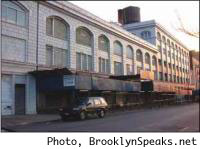
Even if you recycle waste from a building, that doesn't mean the process is environmentally sustainable. That was the message two weeks ago from consultant Donovan Rypkema at the Historic Districts Council conference in New York, and it's relevant in light of Forest City Ratner's press release today announcing the demolition of the Ward Bread Bakery, a building hailed by preservationists.
While Forest City Ratner hopes to score points by "recycling" demolition debris from a historic building, here's the real score:
Then he got to the issue of "embodied energy":
So much of the "green building" movement focuses on the annual energy use of a building. But the energy embodied in the construction of a building is 15 to 30 times the annual energy use. Razing historic buildings results in a triple hit on scarce resources. First, we throwing away thousands of dollars of embodied energy. Second, we are replacing it with materials vastly more consumptive of energy. What are most historic houses built from? Brick, plaster, concrete and timber. What are among the least energy consumptive of materials? Brick, plaster, concrete and timber. What are major components of new buildings? Plastic, steel, vinyl and aluminum. What are among the most energy consumptive of materials? Plastic, steel, vinyl and aluminum. Third, recurring embodied energy savings increase dramatically as a building life stretches over fifty years. You're a fool or a fraud if you say you are an environmentally conscious builder and yet are throwing away historic buildings, and their components.
Finally, he addressed recycling:
Environmentalists cheer when used tires are incorporated into asphalt shingles and recycled newspapers become part of fiberboard. But when we reuse an historic building, we’re recycling the whole thing.
Posted by lumi at March 23, 2007 5:56 AM