« Target Coming To E. Harlem But Wages Lag | Main | "Blighted" California »
October 4, 2006
It came from the Blogosphere...
 Greiner's Grumblings, Your weekly Atlantic Yards update
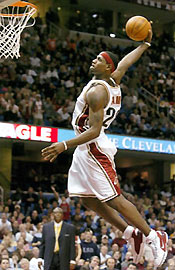
Could the Atlantic Yards become the house that LeBron built? ...
LeBron’s new contract with the Cavaliers ends in 2010, roughly the same time that the stadium will be complete.These dots might never connect, but what are the chances that LeBron will become the first marquee name on the “Brooklyn Nets’” roster? Food for thought at least, especially in an age when sports executives whine that they need new venues with outrageous luxury boxes in order to draw top-notch talent.
The Built Environment, brownstone brooklyn
Looking ahead, it's tough to imagine that Brownstone Brooklyn will remain unchanged as it heads deeper into the 21st Century. While the skyrocketing prices of brownstones in neighborhoods like Prospect Heights and South Park Slope should discourage the demolition of existing buildings (landmarking or contextual zoning laws protect buildings in some areas as well,) there are very few new rowhouses (of any material) being built. It is particularly unlikely that areas with lots of development potential -- Gowanus and the areas around Atlantic Yards, for example -- will be developed as low-rise housing given the market conditions.
Despite my love of brownstones, I don't think the introduction of new forms to Brooklyn is necessarily a bad thing. The brownstone emerged as a dominant style because of economic forces in the 1880s and 1890s, not because everyone thought it would be cool to build matching row houses. Working within the existing context, developers can produce structures that fit into Brooklyn's contemporary economy with a modern design vernacular. This means the area may change somewhat in appearance, but the underlying middle-class character can survive. The dangers lie at the extremes: preventing new development will cause prices to rise, turning Brownstone Brooklyn into an enclave for the wealthy; developments that ignore the existing context can interfere with the streetscape and diminish what made the area so wonderful in the first place.
Posted by lumi at October 4, 2006 7:41 AM